Down House, Darwin's home in Downe, celebrates the Origin of Species
On the southern edge of Greater London, in the village of Downe, stands the house where one of history's most important books was written. Charles Darwin lived at Down House with his family for 40 years, and it was here that he developed his theories and wrote On the Origin of Species.
The Darwins moved in during September 1842, and Charles lived there until his death in April 1882. The house was both a busy family home and a place of work, and English Heritage acquired it in 1996 with a grant from the Wellcome Trust. After restoration funded by the Natural History Museum, several trusts and the Heritage Lottery Fund, it reopened to the public in 1998.
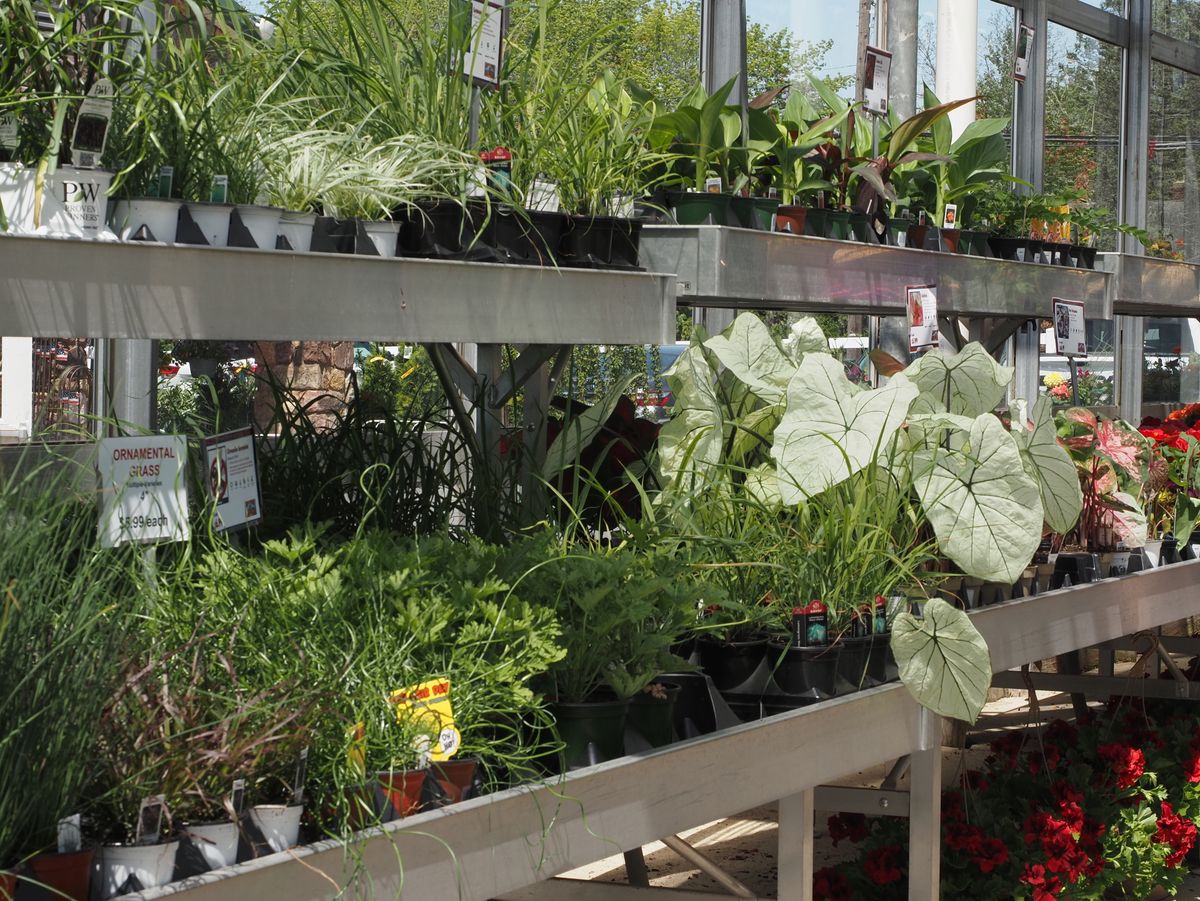
Darwin called the gardens his "outdoor laboratory", and many of his discoveries were made there. Interactive panels explain the experiments he carried out, and visitors can see his greenhouse. A heated greenhouse was completed in 1863, where Darwin spent years growing sundews and other carnivorous plants, research that led to his 1875 book Insectivorous Plants.
One of the highlights is the Sandwalk. In 1846 Darwin rented a strip of land next to the grounds and planted it as Sandwalk Wood, with a gravel path around its edge. His daily circuits served, in the words of one account, "both for exercise and for uninterrupted thinking", and visitors can follow in his footsteps today.
A handheld tour, narrated by David Attenborough, includes expert commentary, animations, film footage and games. There is also an exhibition, a bee keepers' display and displays about family life.
The café is in the old kitchen where the Darwin family's meals were prepared, serving soups from November to March alongside cakes and drinks. Down House has also received a Platinum Green Impact Award.
This autumn, an Origin Weekend takes place on 21 and 22 November 2026, from 10am to 3pm, a fitting way to celebrate the book written within these walls.
Down House is on Luxted Road, Downe, BR6 7JT, and opens daily from 10am to 4pm. For tickets and events, visit the English Heritage website.
Find out more: english-heritage.org.uk